SYR Implementation of HKH in Somalia
Implementation of HKH mapping method in Mogadishu
HKH is a mapping method that makes it possible to map, report on, and propose an action plan for a problem area within a short time. The original English name of the method is Rapid Assessment and Response. The method was developed by the World Health Organization and was later adapted for practitioners and Norwegian conditions by the Competence Center for Substance Abuse (KoRus) West in Bergen, at the Bergen Clinics Foundation.
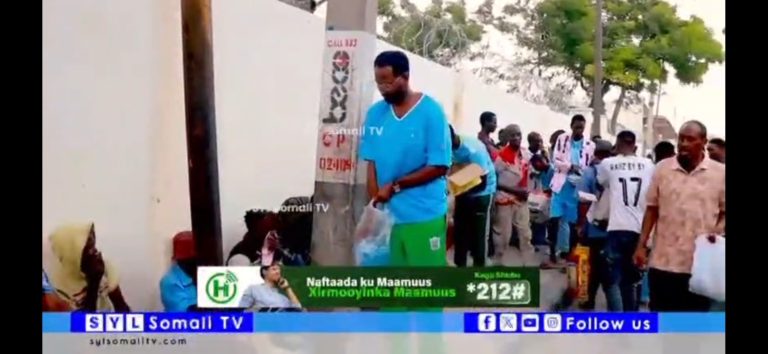
SYR estimated that several thousand young people use drugs on the streets of Mogadishu, and the situation of these young people is unclear due to lack of necessary infrastructure and public sector. For example, is there no concrete data indicating the number of young people who use drugs, and the drugs these young people have access to?
The police and many more non-governmental organizations are trying to do something about these challenges that are being faced, but SYR also sees the need for interdisciplinary cooperation between these actors is necessary to be able to solve these challenges. Such interdisciplinary cooperation will lead to the implementation of continuous and sustainable projects.
The goal of using the HKH method
SYR will use HKH to obtain information that offers a rapid overview of problem areas or affected groups in Mogadishu, thereby supporting targeted efforts and the development of appropriate interventions with accordance with other actors. This approach can help minimize risks and harms for individuals as well as for the population as a whole while increasing cooperation and reducing effort congestion.
What can be mapped with HKH?
HKH is designed to be able to map different social and health problem areas (for example, violence, crime and substance use) that can have negative consequences for different target groups (for example, young people in a specific local community).
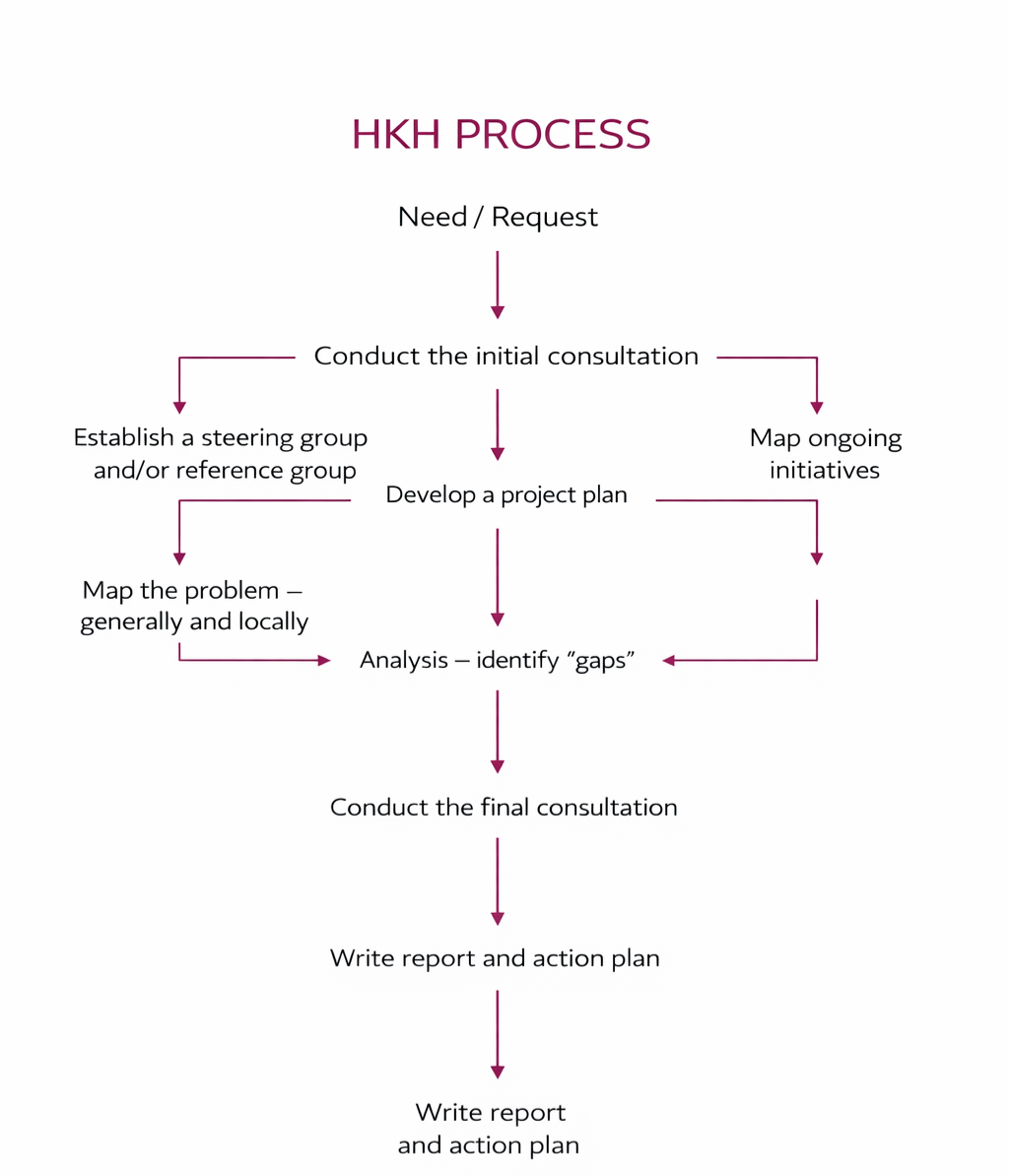
Need/Request
Those involved the mapping process(police or other relevant local authorities that work with young people) make a request for a mapping of a problem in a specific geographical area (for example, young people in a specific local community who use drugs).
What does the mapping team do?
They invite local representatives (the neighborhood, the police, and local/foreign non-governmental organizations working with youth) to an initial consultation in order to clarify in greater detail what the problem is and why it occurs and the severity of the problem. After the meeting, the mapping team can establish a steering group and proceed with planning the mapping process.
How should the mapping be carried out?
The problems and the ongoing efforts to address them (in this case, how existing actors currently respond to these issues) should be analyzed and mapped in parallel. Analysis takes place continuously throughout the process, with the primary analysis occurring once data collection is complete.
In the initial mapping phase, it is particularly important to identify gaps between the problems and the existing efforts.
What should the mapping team do when the analysis is complete?
They must then hold a final consultation, with the same participants from the first consultation. And at this meeting, the findings are presented, and the participants discuss the findings from the mapping. And the mapping team then proposes specific measures in the action plan. Then a report must be written about what the mapping has found. The report must contain recommendations and an action plan.